Image processing is a technology that involves performing various operations on digital images to enhance, analyze, and interpret them. The main goal is to enable computers to perceive and understand visual data in a way similar to human vision. Essentially, image processing focuses on extracting, analyzing, and utilizing information from digital images using mathematical and algorithmic approaches.
Basic Concepts of Image Processing
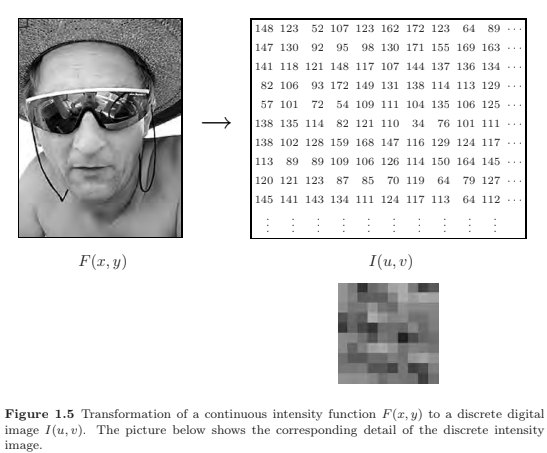
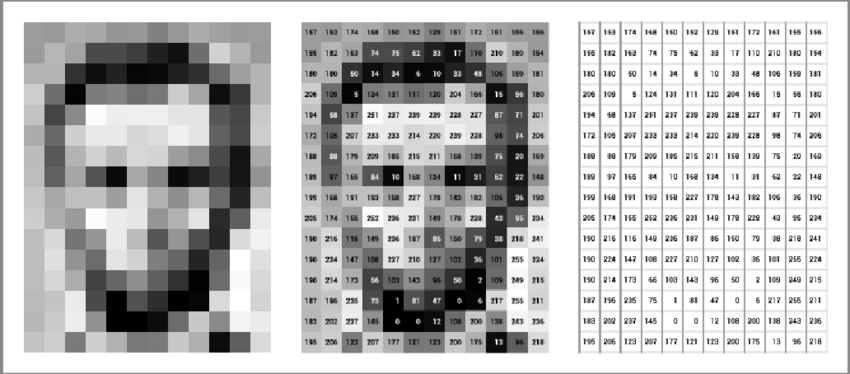
Pixel: The smallest unit of a digital image. Each pixel represents the color and brightness of a specific point in the image. In color images, each pixel typically consists of red, green, and blue (RGB) components.
Resolution: Refers to the level of detail in an image and is usually measured by the number of pixels. Higher resolution images contain more detail.
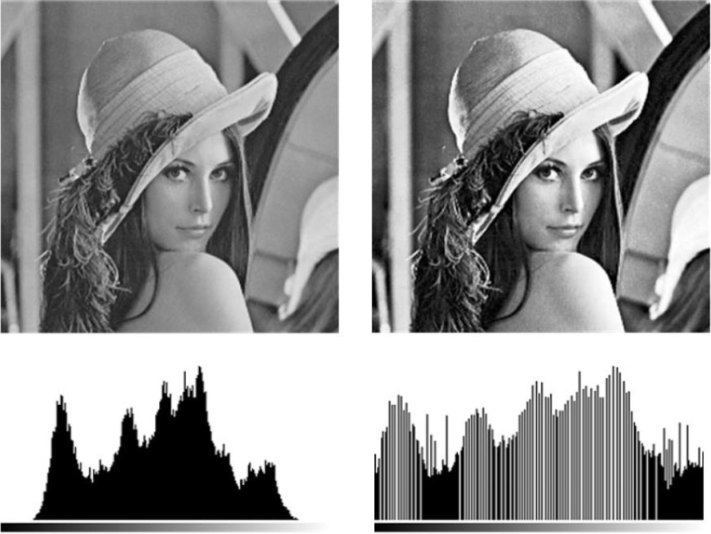
Filtering: Used to remove unwanted noise from an image, sharpen edges, or apply other effects. For example, a blur filter softens sharp edges in an image to achieve a smoother appearance.
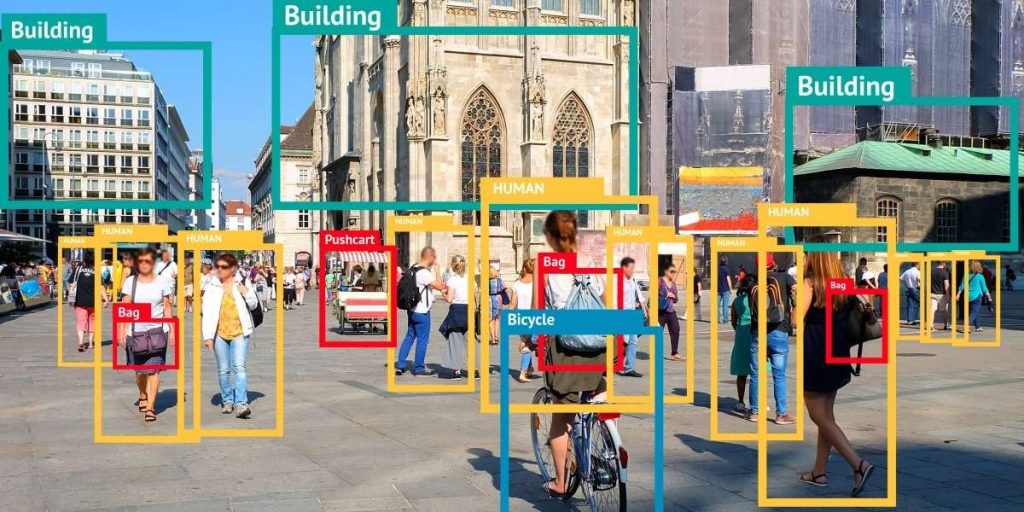
Segmentation: The process of dividing an image into meaningful regions. This process is used to identify and distinguish objects or features within the image.
Feature Extraction: Involves extracting specific features (such as edges, corners, or patterns) from an image. These features are used to recognize and classify objects within the image.
Application Areas of Image Processing
Image processing is widely used in various sectors and application areas. Here are some key examples:
Healthcare: In medical imaging (MRI, X-ray, ultrasound), image processing helps doctors diagnose diseases and plan treatments. Image processing techniques are used in detecting tumors, 3D modeling of organs, and surgical simulations.
Security: Image processing plays a crucial role in face recognition, license plate recognition, and surveillance systems. These systems analyze images from security cameras to enhance safety through various measures.
Automotive: Autonomous vehicles use image processing techniques to navigate safely. These systems perform tasks such as lane detection, pedestrian recognition, and vehicle detection.
Agriculture: In agriculture, image processing is used to monitor plant health and improve crop yield. Drones and satellite images are analyzed to assess the condition of agricultural fields and detect pests.
Industrial Automation: Image processing is used for quality control and defect detection on production lines. This technology scans products during the manufacturing process to identify and separate defective items.
Conclusion
Image processing has become an indispensable part of modern technology and is used in many different areas of our daily lives. With applications in healthcare, security, automotive, agriculture, and industrial automation, this technology will continue to evolve and spread in the future.
If you are interested in learning more about image processing or pursuing a career in this field, don’t miss the opportunity to enhance your skills through various online courses and training programs.
This article was first published on LinkedIn on 29 August 2024.