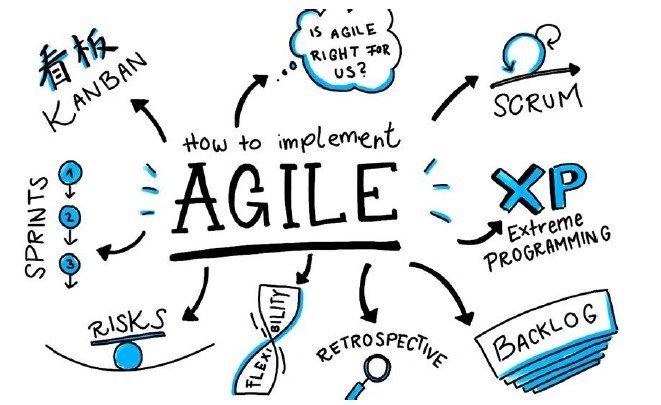
In the software world, project complexity, changing requirements and customer demands can make traditional methods hard to work with. This is where the Agile methodology comes in. By embracing core principles such as flexibility, fast iterations and customer focus, Agile aims to make software projects more successful. So what is Agile, and how does it work? In this article, we look for the answers.
What Is Agile?
Agile represents a flexible and iterative approach. It breaks large, complex projects into small pieces and completes those pieces so that they frequently deliver valuable results. The approach emerged as an alternative to traditional processes.
Core Principles of Agile
- Small Teams and Sprints: Agile projects are usually run by small teams of 5 to 9 people. These teams complete the work in fixed time boxes (sprints).
- Incremental Results: A working product or feature is delivered at the end of every sprint, which makes it possible to collect customer feedback quickly.
- Empowerment and Communication: Team members are empowered and stay in continuous communication. The customer is also involved in the process.
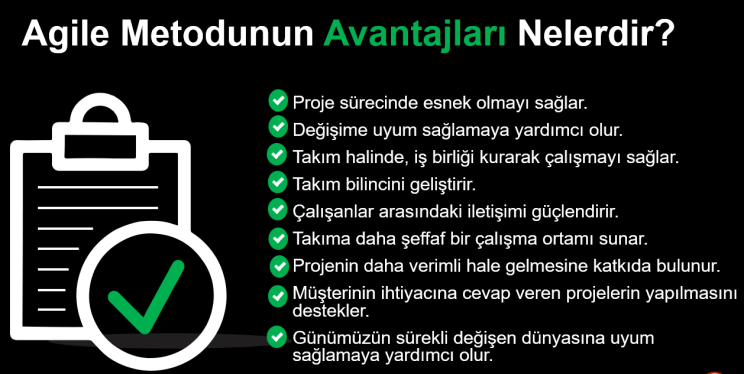
When applied correctly, Agile can increase project success. Team cohesion, communication and flexibility are the cornerstones of the method, and trying Agile in your own projects can lead to better results.
What Is Scrum?
Agile is a process for getting work done. It hosts many methodologies under its umbrella, including Scrum, one of the simplest. Scrum provides a structure and set of rules for applying agile processes, defining roles, running meetings and more.
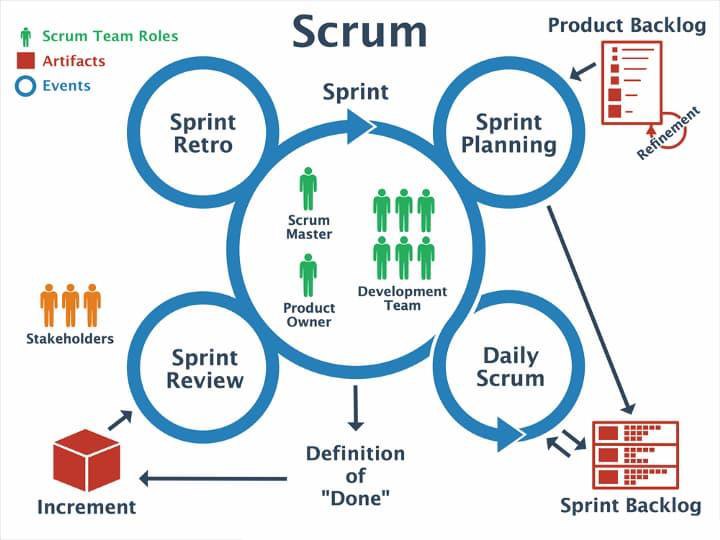
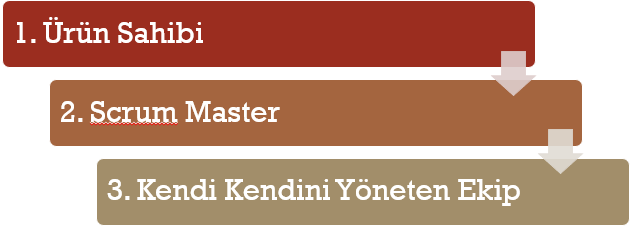
There are three Scrum team roles:
Five Types of Scrum Meetings
Sprint Planning Meeting
- Held before the sprint begins.
- The product owner explains the work to be done in the coming sprint.
- The development team analyses this work and plans how to complete it.
Daily Scrum and Sprint Execution Meeting
- Held at the same time every day and should not last longer than 15 minutes.
- Team members share what they did yesterday, what they will do today and whether anything is blocking them.
Sprint Review Meeting
- Held at the end of the sprint.
- Completed work is shared with stakeholders.
- Feedback is collected and suggestions for the next sprint are evaluated.
Sprint Retrospective Meeting
- Held at the end of the sprint, after the review meeting.
- The team evaluates what went well during the sprint and what could be improved.
- Concrete improvement actions are agreed for the next sprint.
Backlog Refinement Meeting
- Held before the sprint planning meeting.
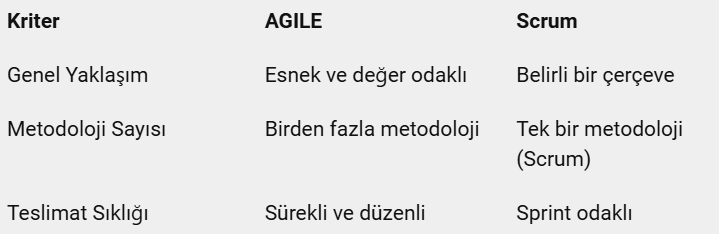
Both approaches can be adapted to different needs. Scrum is preferred for more creative and experimental projects, while Agile suits a broader range of methodologies.
Choosing the Right Methodology
When choosing the right methodology for your project, it is essential to consider factors such as the size and complexity of the project, the level of customer involvement, and the need for flexibility and adaptability. Both Agile and Scrum can help teams adapt to change and deliver high-quality products, but the methodology chosen must fit the unique needs and constraints of the project.
For example:
- If the project involves rapid change or unexpected requirements, flexible methodologies such as Agile or Scrum should be preferred.
- If the work takes place in a more stable and predictable environment, more structured methodologies such as Waterfall can be considered.
What Is Kanban?
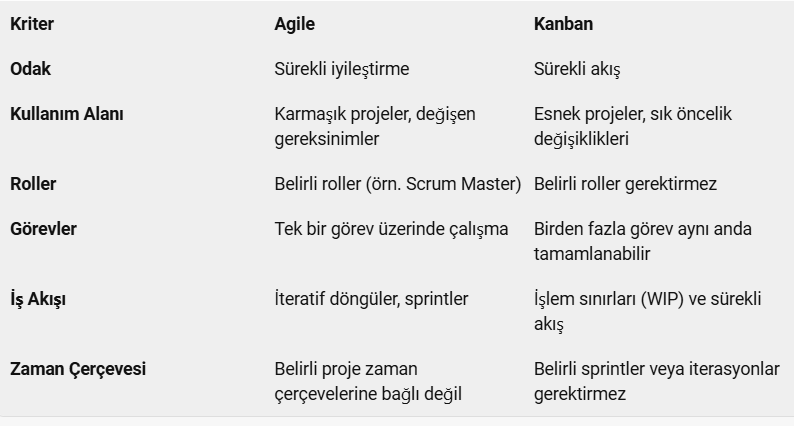
Kanban is a method for designing, managing and improving flow systems in knowledge work. It also allows organisations to start evolutionary change based on their existing workflows. Kanban includes principles such as visualising the flow of work, setting work-in-progress (WIP) limits and managing the start–finish cycle.
This article was first published on LinkedIn on 26 July 2024.