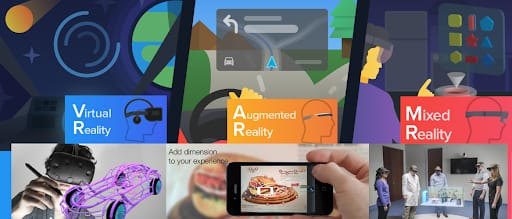
With the rapid advancement of technology, new concepts that change our perception of reality have entered our lives. Augmented Reality (AR), Virtual Reality (VR), and Mixed Reality (MR) are at the forefront of these technological innovations. But what do these terms mean, and how do they differ from each other? Let’s answer these questions with examples.
Augmented Reality (AR)
AR is a technology where digital information and objects are overlaid on the real world. It combines the real world with digital content, allowing users to see the real world enriched with digital elements.
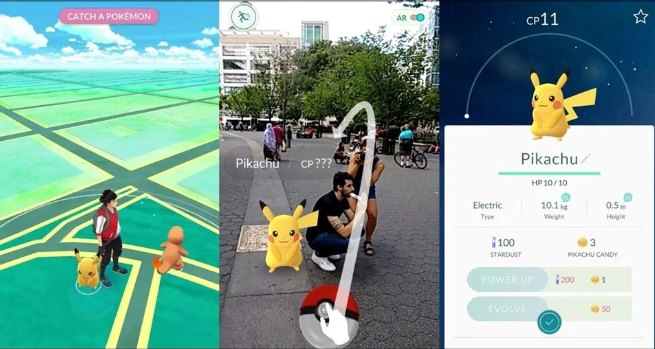
Example: Pokemon GO is one of the most popular examples of AR technology. Players interact with Pokemon in real-world locations using their smartphones. The camera displays the real world while the screen overlays Pokemon characters onto this view.
Virtual Reality (VR)
VR is a technology that gives the feeling of being present in a completely digital environment. It isolates users from the physical world and immerses them entirely in a computer-generated world. This is usually achieved with special VR headsets and headphones.
Example: VR games played with headsets like Oculus Rift or HTC Vive transport users to a completely virtual world. Users can find themselves in different universes and move freely within these worlds through these headsets.
Mixed Reality (MR)
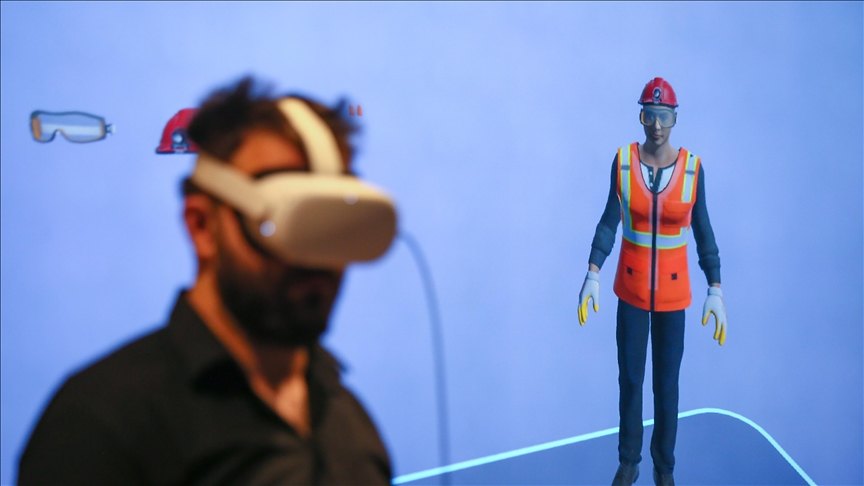
MR is the combination of AR and VR technologies. It creates an environment where real-world and digital objects can interact. Users can see and interact with both physical and digital elements simultaneously.
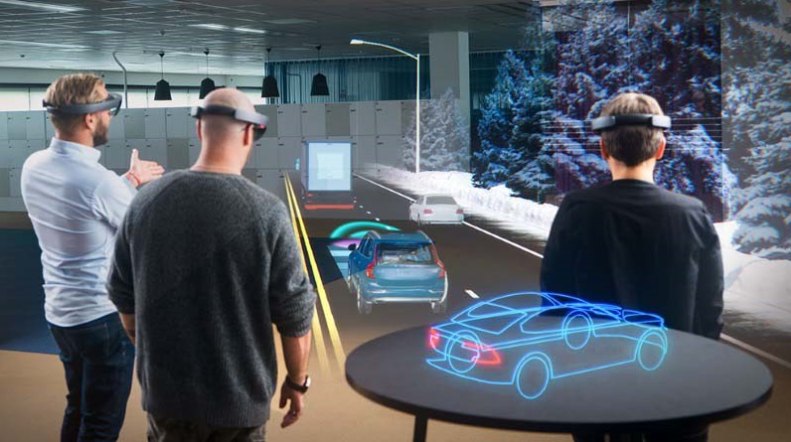
Example: Microsoft HoloLens is a perfect example of MR technology. HoloLens places digital holograms into the user’s real-world environment. For instance, a designer can see a hologram of a model on their desk and manipulate it by hand.
Summary of Differences
AR (Augmented Reality): Overlaying digital elements on the real world. (Example: Pokemon GO)
VR (Virtual Reality): Immersion in a completely digital world. (Example: VR games with Oculus Rift)
MR (Mixed Reality): An environment where real-world and digital elements can interact. (Example: Microsoft HoloLens)
Each of these technologies enriches the user experience in different ways and has its unique application areas. AR blends the real world with the digital world, making users’ surroundings more informative; VR transports users entirely to a virtual world, offering new experiences; and MR combines the best aspects of these two worlds to provide a more interactive experience.
This article was first published on LinkedIn on 5 July 2024.