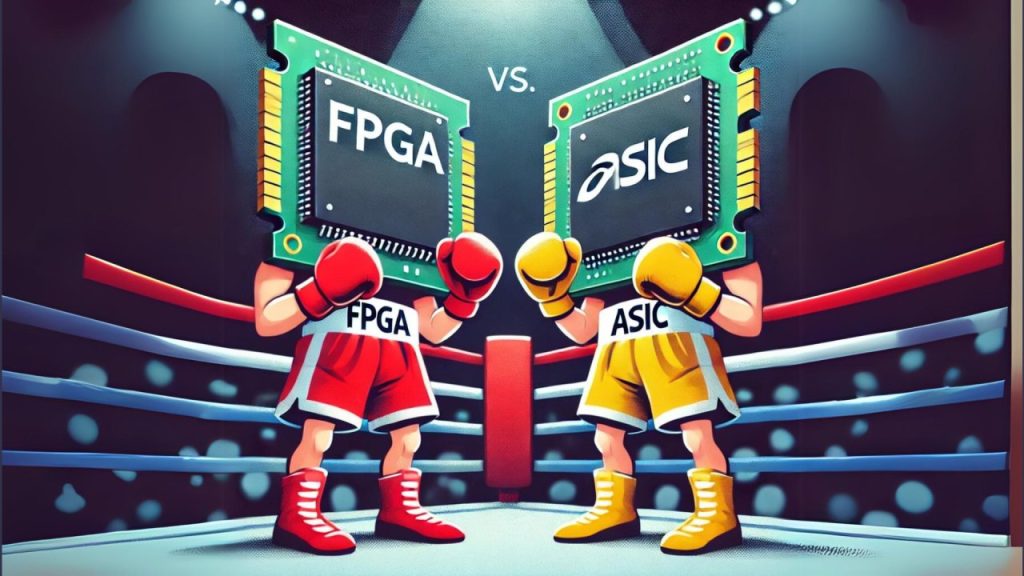
For engineers, designers, and technology enthusiasts interested in FPGA and ASIC technologies, today we will explore the differences, advantages, and disadvantages of FPGA (Field Programmable Gate Array) and ASIC (Application-Specific Integrated Circuit) technologies. This article contains important information for those considering transitioning from ASIC to FPGA.
Key Differences Between FPGA and ASIC Technologies
One of the fundamental differences between FPGAs and ASICs is that FPGAs are programmable. FPGAs allow a design to be reprogrammed, which provides significant flexibility during the development process. ASICs, on the other hand, are custom-designed and programmed during manufacturing, making them non-programmable.
FPGAs are typically SRAM (Static Random-Access Memory) based, and thus need to be reprogrammed upon each power-up. This allows designers to correct errors and update the design, offering great flexibility. ASICs, however, cannot be changed once manufactured. This gives ASICs a cost advantage in high-volume production but offers less flexibility during development.
Cost and Time Factors
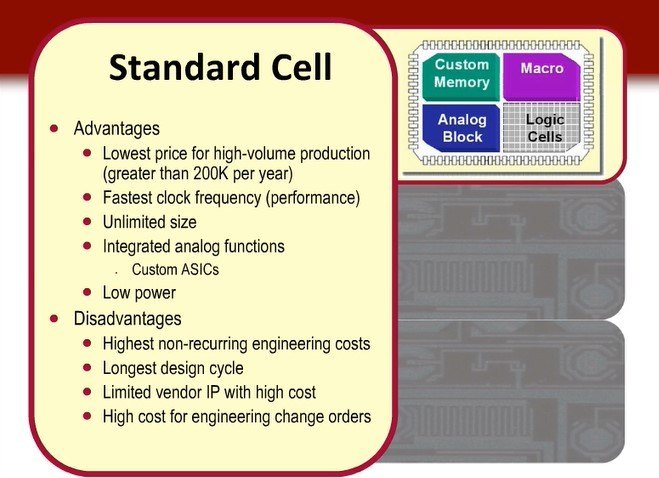
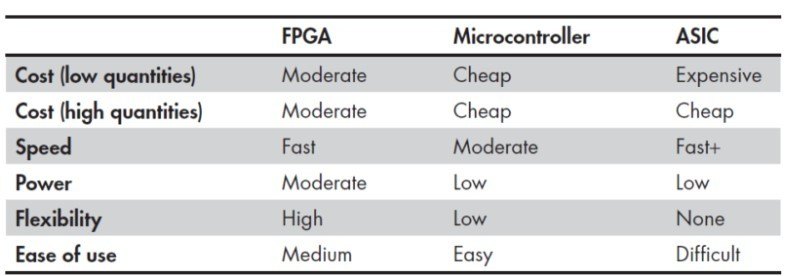
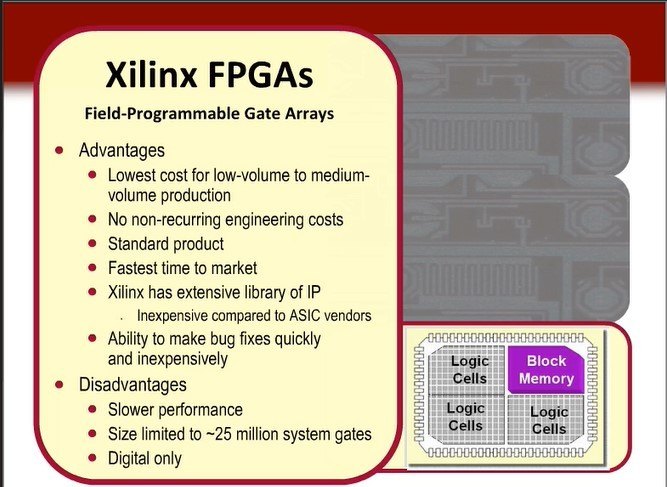
ASICs have the lowest cost for high-volume production. However, they have high NRE (Non-Recurring Engineering) costs and long design cycles, making the initial investment high. FPGAs, on the other hand, have lower NRE costs and allow for faster time to market.
While ASICs reduce the per-unit cost in large-scale production, FPGAs offer cost advantages in small to medium-scale production. Additionally, the reprogrammability of FPGAs provides significant advantages in correcting errors and implementing design changes quickly during the development process.
Performance and Power Consumption
ASICs offer the highest performance and lowest power consumption. FPGAs, generally slower than ASICs, have advanced clock management and low power consumption features that make them viable for many applications.
ASICs are preferred for high-performance and low-power applications, while FPGAs are ideal for projects requiring flexibility and reprogrammability. Although FPGAs may consume more power than ASICs, modern FPGAs have made significant advancements in energy efficiency. For instance, Xilinx’s Virtex-5 FPGA can operate at up to 550 megahertz, providing sufficient performance for many applications.
Flexibility and Programmability
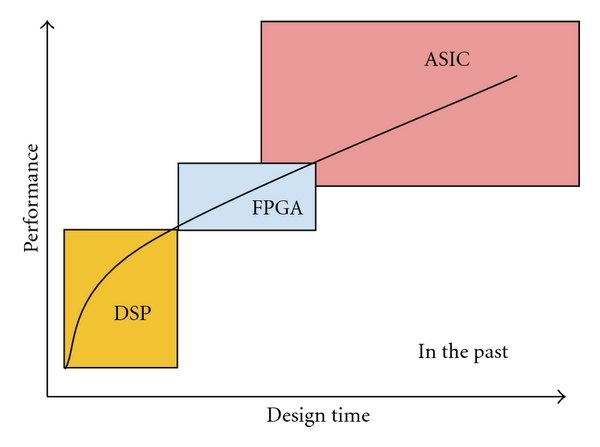
The greatest advantage of FPGAs is their reprogrammability. This allows for design modifications and error corrections during the development process. ASICs do not offer this capability and require high costs for redesign if needed.
FPGAs, being SRAM-based, require reprogramming at startup. This gives designers the flexibility to make design changes and correct errors. Moreover, FPGAs can be reprogrammed to perform different functions, making a single device usable in multiple applications. In contrast, ASICs cannot be modified once produced, making error correction during the design process much more costly.
Specialized Hardware Resources and Ease of Use
FPGAs are equipped with internal DSP (Digital Signal Processing) slices, block RAM, and various specialized hardware resources, providing high performance for many applications. FPGA toolsets are generally cheaper and more user-friendly.
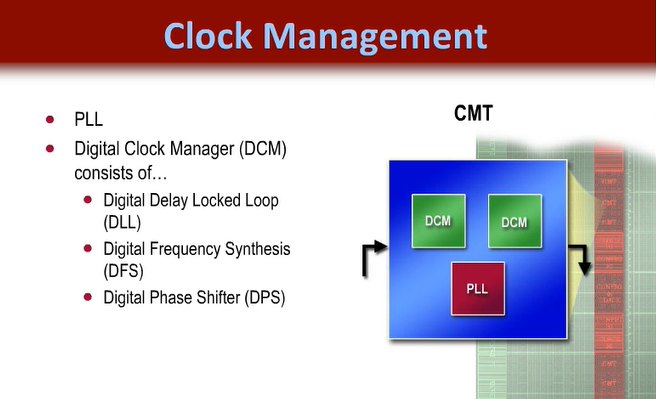
FPGAs feature integrated digital clock managers (DCM) and phase-locked loops (PLL) for advanced clock management. These resources optimize clock signal distribution, enhancing system performance. Additionally, FPGAs include integrated memory blocks, DSP slices, and PCI cores, contributing to their high performance in various applications.
FPGA toolsets are typically less expensive than ASIC toolsets. Tools like Xilinx’s ISE Design Suite offer user-friendly interfaces and powerful features that simplify the design process. Furthermore, FPGA tools are generally more cost-effective for small to medium-scale projects.
Clock Management and Timing Constraints
Clock management and timing constraints are crucial in FPGA designs. Xilinx FPGAs have advanced clock management resources like digital clock managers (DCM) and phase-locked loops (PLL). These resources optimize the distribution of clock signals, enhancing system performance.
Timing constraints allow designers to set performance goals. Tools like ISE Design Suite use timing constraints to optimize the placement and routing of logic, ensuring that the design meets its timing goals and enhances system performance.
Design and Implementation Process
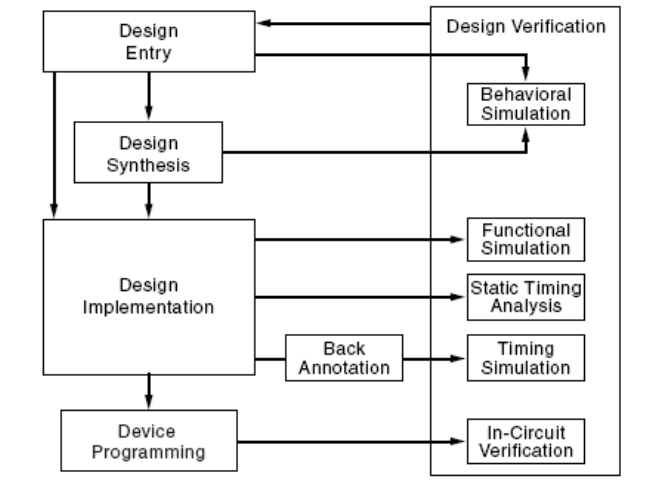
The FPGA design process is faster and more flexible compared to the ASIC design process. The reprogrammability of FPGAs allows for quick design changes and error corrections. Additionally, FPGAs can be reprogrammed to perform different functions, making a single device usable in multiple applications.
The ASIC design process, however, is longer and more expensive. ASICs are custom-designed and programmed during manufacturing, making them non-programmable. This gives ASICs a cost advantage in high-volume production but offers less flexibility during development.
Utilization and Efficiency of Hardware Resources
FPGAs are equipped with internal DSP slices, block RAM, and various specialized hardware resources, providing high performance for many applications. FPGA toolsets are generally cheaper and more user-friendly.
FPGAs feature integrated digital clock managers (DCM) and phase-locked loops (PLL) for advanced clock management. These resources optimize clock signal distribution, enhancing system performance. Additionally, FPGAs include integrated memory blocks, DSP slices, and PCI cores, contributing to their high performance in various applications.
ASIC or FPGA?
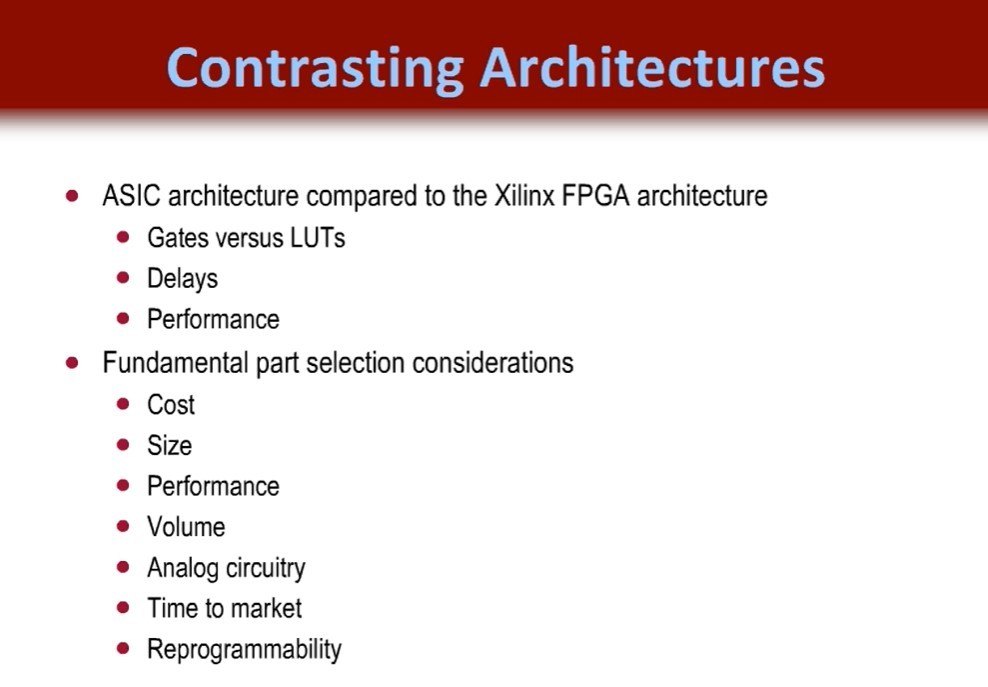
When deciding, you should consider factors such as cost, performance, flexibility, and time to market. If you are aiming for high-volume production and maximum performance, an ASIC might be the right choice. However, if you need faster development time and flexibility, FPGAs are ideal.
In conclusion, when choosing between FPGA and ASIC technologies, you should carefully evaluate the needs of your project. We hope this article has helped you make the right decision. For more information and education on FPGA and ASIC technologies, be sure to follow us.
This article draws extensively from the content “FPGA and ASIC Technology Comparison” prepared by Frank Nelson. His valuable work has guided and informed our discussion.
This article was first published on LinkedIn on 1 July 2024.