Introduction
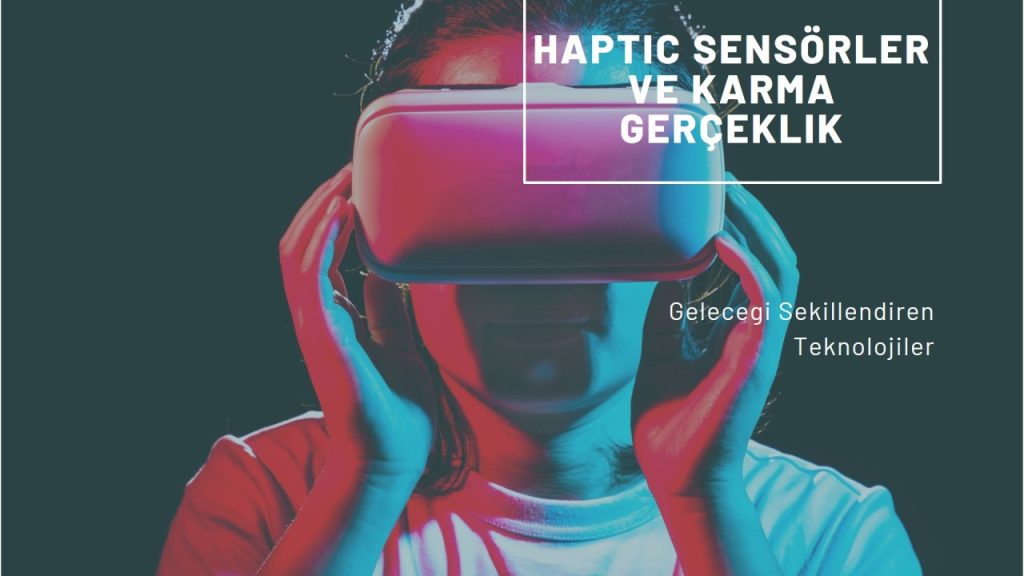
Today’s technology is advancing human-machine interaction to unprecedented levels. Two significant innovations in this field are haptic sensors and mixed reality (MR). Both technologies have immense potential to enrich and make the user experience more interactive. In this blog post, we will explore what haptic sensors and mixed reality are, how they work, and their future applications.
What Are Haptic Sensors?
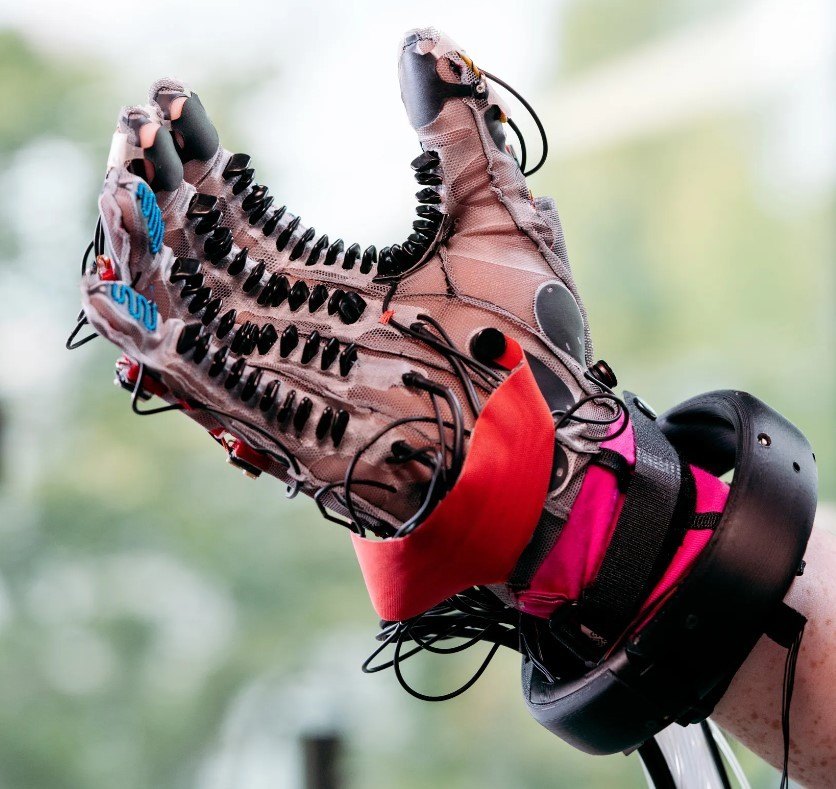
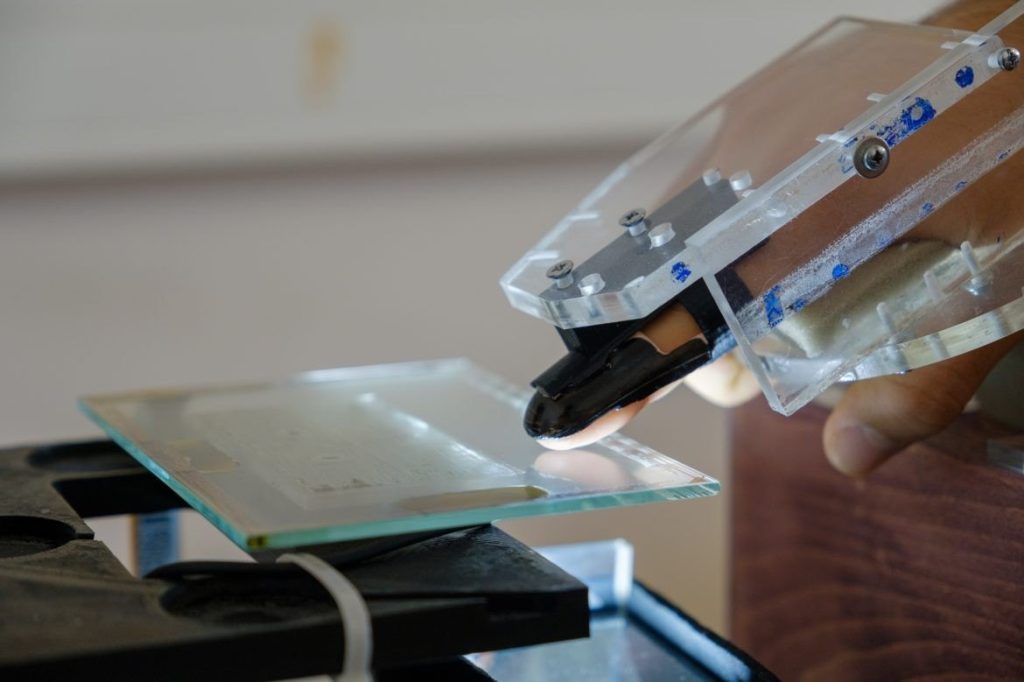
Haptic sensors are technologies that allow users to feel digital or virtual objects. The term “haptic” refers to the sense of touch, and these sensors provide tactile feedback, enabling users to physically interact with virtual environments. Haptic technology works through various methods, such as vibrations, force feedback, and tactile surfaces.
How Haptic Sensors Work
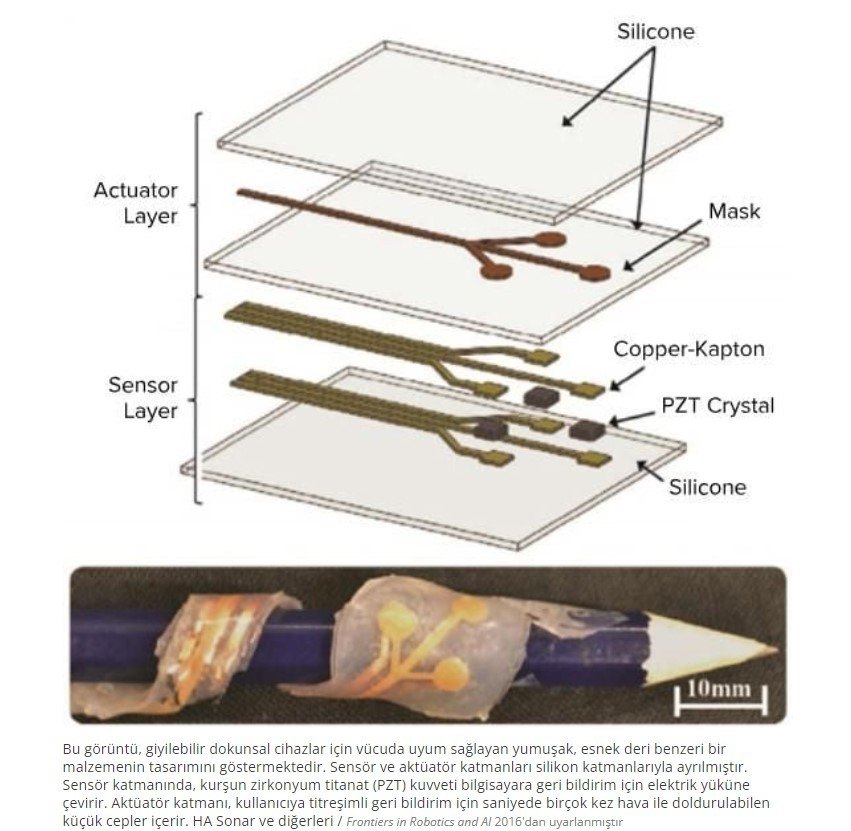
Haptic sensors typically use micro-motors or piezoelectric elements to simulate the sense of touch. These elements produce vibrations or forces to give users the sensation of touching, pushing, or pulling. For example, a VR (Virtual Reality) controller can provide feedback when you touch an object or press a button. This technology offers a more realistic and interactive user experience.
What Is Mixed Reality (MR)?
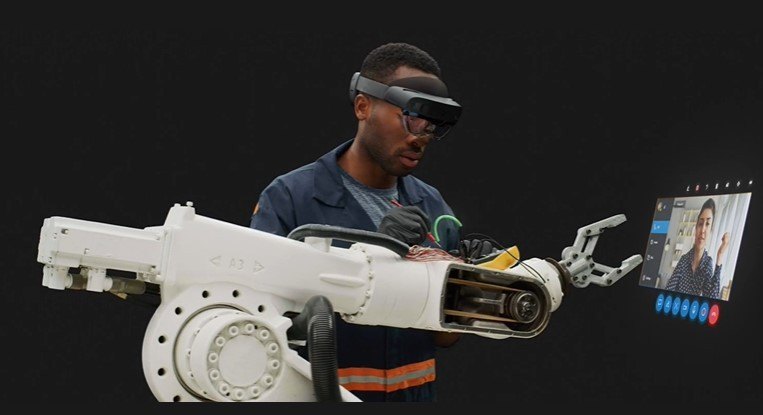
Mixed reality is a technology that combines the real world with the virtual world. MR integrates elements of both augmented reality (AR) and virtual reality (VR). Users can see the physical world overlaid with virtual objects and information, with which they can interact.
How Mixed Reality Works
Mixed reality typically operates through a head-mounted display (HMD) and sensors. These devices scan the user’s environment and overlay virtual objects onto the scanned space. MR devices are often equipped with sensors that track hand movements and positions, allowing users to manipulate virtual objects naturally.
The Combination of Haptic Sensors and Mixed Reality
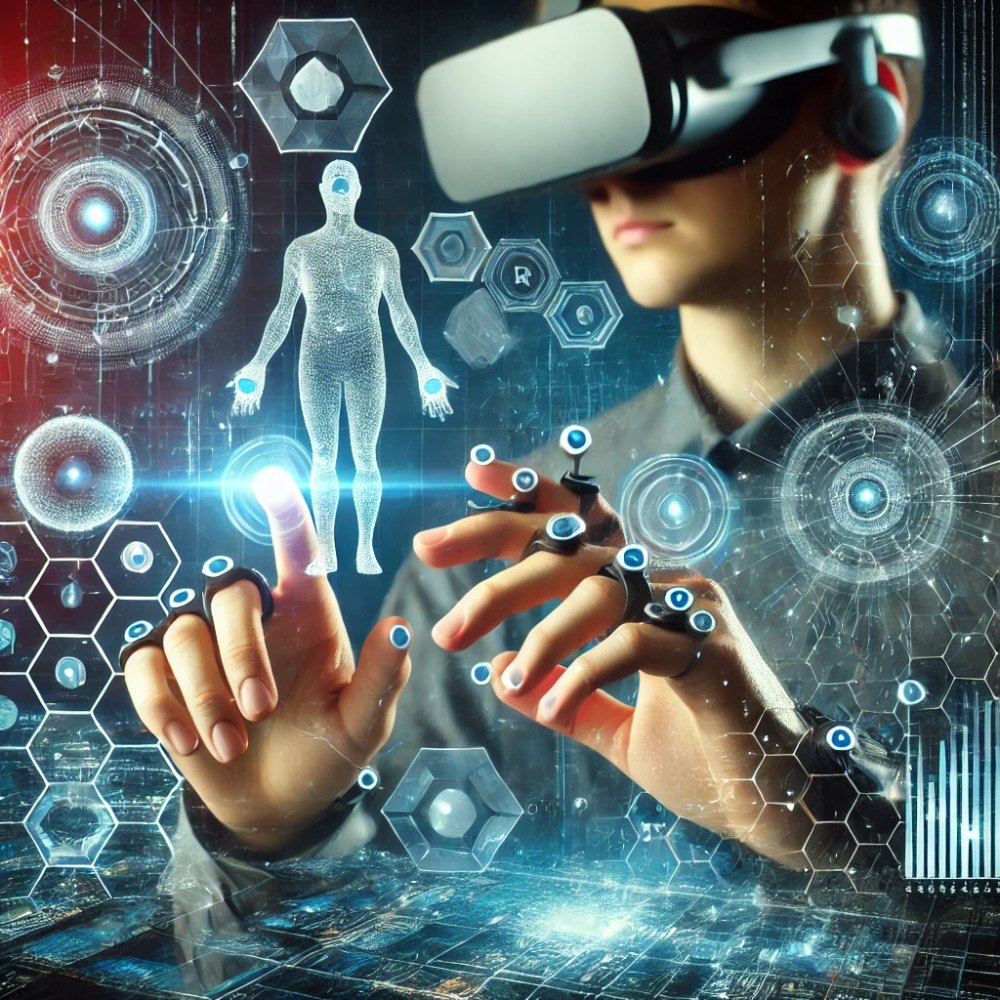
When haptic sensors and mixed reality come together, the user experience is elevated to a new level. This combination allows users not only to see virtual objects but also to feel them. This can lead to revolutionary applications in fields such as education, gaming, medicine, and engineering.
Education and Simulation
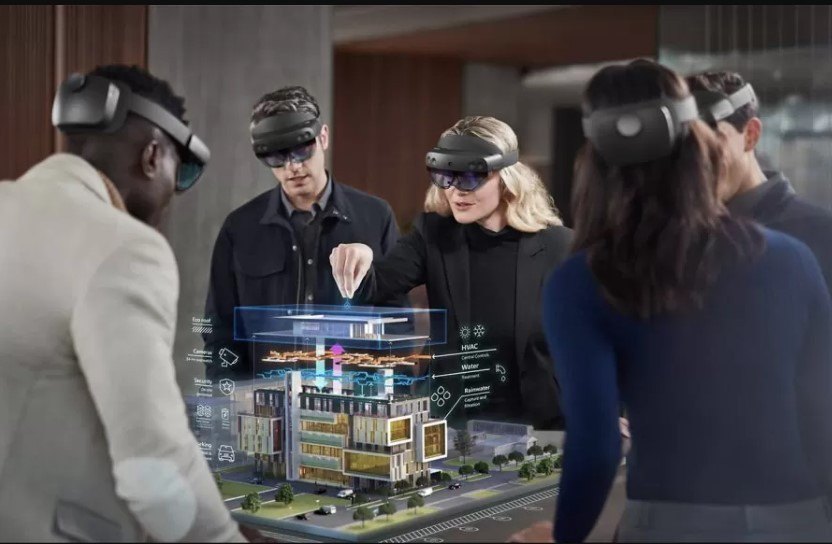
Haptic sensors and mixed reality have great potential in education and simulation. For example, medical students can perform virtual surgeries to gain real-world experience. Similarly, engineering students can work on virtual machines using mixed reality.
Gaming and Entertainment
The gaming industry is rapidly adopting haptic sensors and mixed reality technology. These technologies enable players to have more realistic and immersive gaming experiences. Users can interact more deeply with the virtual world through the sense of touch.
Medicine and Rehabilitation
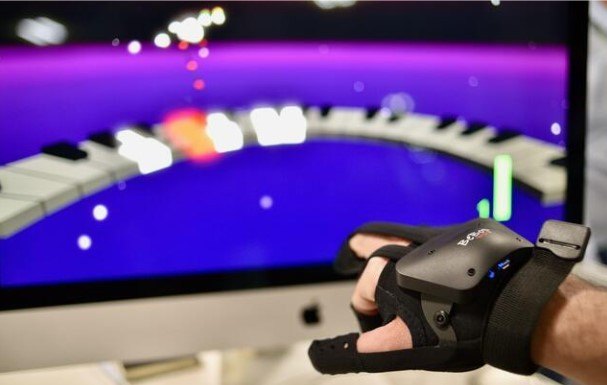
Haptic sensors are also used in medical rehabilitation processes. For example, patients recovering from a stroke can use devices with haptic feedback to regain motor skills. Mixed reality can make these rehabilitation processes more effective and motivating.
Conclusion
Haptic sensors and mixed reality are excellent examples of how technology is transforming human life. These two innovations have the potential to revolutionize various fields by making user experiences more interactive and realistic. In the future, as these technologies continue to develop, more applications and use cases will emerge. Therefore, keeping a close eye on developments in haptic sensors and mixed reality is crucial to not miss out on the opportunities they offer.
In this blog post, we have covered the basics of haptic sensors and mixed reality and their potential applications. We hope this information helps you learn more about these exciting technologies and sparks your interest.
This article was first published on LinkedIn on 22 July 2024.