
In the software engineering process, the visual design and documentation of complex systems are critically important. This is where UML (Unified Modeling Language) comes into play. UML serves as a global standard for software engineers and system analysts, providing the ability to represent all components of a project and their interactions through comprehensible diagrams.
What is UML?
UML was developed in the mid-1990s to meet the need for standardization in the software engineering discipline. It is designed to support object-oriented design and analysis processes and represents different aspects of software through a series of diagram types. UML enables projects to be carried out more efficiently and effectively.
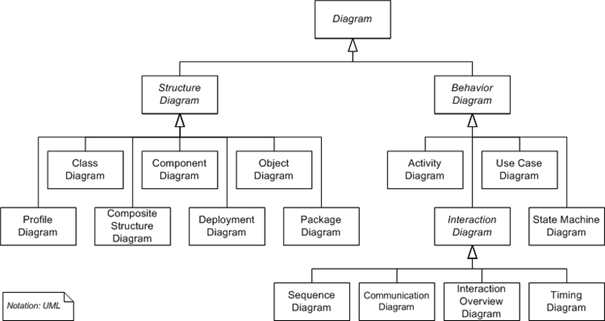
UML Diagram Types
UML offers various diagrams that allow you to analyze and design software from different perspectives:
- Class Diagrams: Show the structure of objects and classes and their relationships.
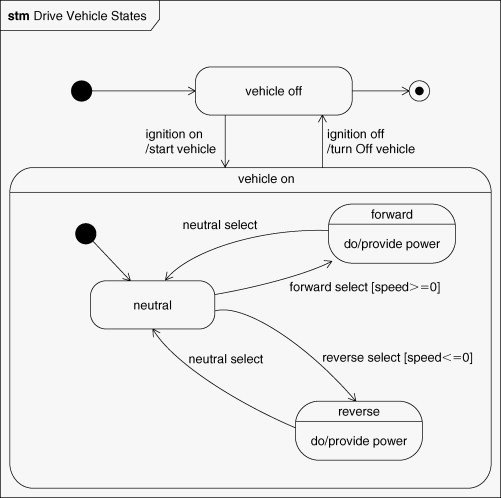
- State Machine Diagrams: Define the different states of objects and transitions between these states.
- Interaction Diagrams: Show interactions between objects and the sequence of these interactions over time.
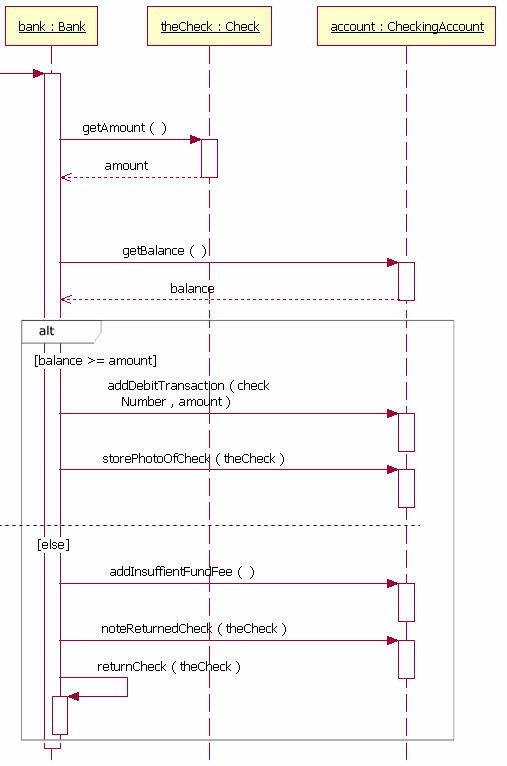
- Sequence Diagram: Displays the step-by-step flow of processes and interactions between objects on a timeline. For example, the transaction sequence between a bank, a check, and an account.
- Communication Diagram: Shows the interactions and communication paths between objects. For example, message exchanges and connections between a customer and a system.
- Interaction Overview Diagram: Provides a general flow of different interaction diagrams. For example, a diagram showing high-level interactions in a business process.
- Timing Diagram: Shows the changes in the states of objects over time and how these changes affect other objects. For example, a graph of a device’s state changes over time.
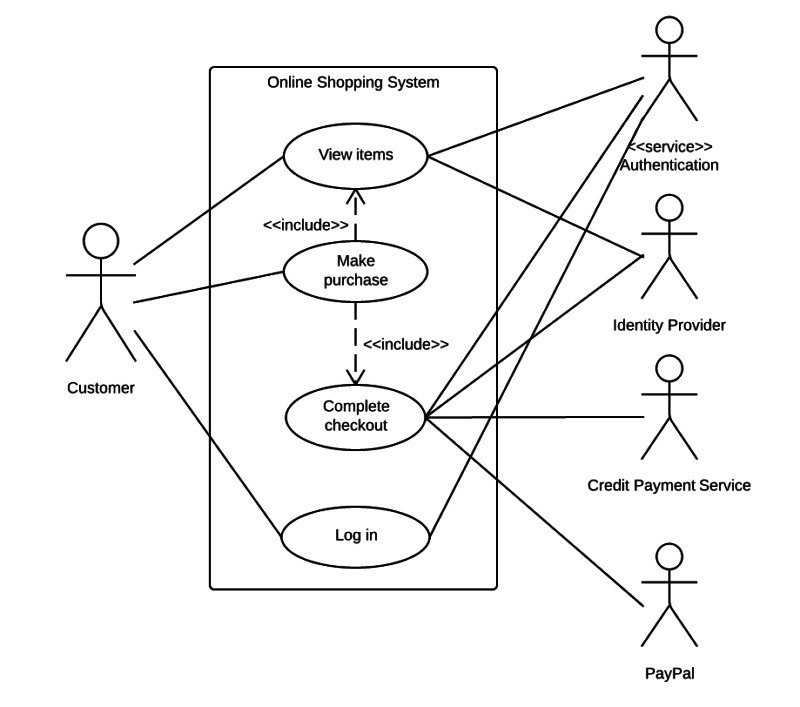
- Use Case Diagrams: Explain how the system is used by different users (actors).

Advantages of UML
- Standardization and Clarity: UML provides a standard language in the software development process, which helps establish clear and consistent communication among team members.
- Detailed Analysis Capability: Offers the ability to analyze and visualize every aspect of system design in detail.
- Error Detection: Allows potential errors and deficiencies to be identified in the early stages, saving cost and time.
Disadvantages of UML
- Learning Curve: UML can be challenging initially, especially for beginners.
- Over-Detailing: Diagrams can become overly detailed and reduce comprehensibility in very large and complex systems.
- Constant Updating Requirement: UML diagrams need to be continuously updated as the software evolves, requiring extra time and effort.
Conclusion
UML enhances communication and understanding in software engineering projects, making the design process more efficient and providing significant advantages like reducing potential risks and better understanding system requirements. Every software engineer can greatly benefit from learning and effectively using this powerful tool in their projects.
This article was first published on LinkedIn on 5 June 2024.